
Last year I laid out four pillars driving the longevity boom. January started strong validating three of them.
Eight months later, all four have moved forward, but they’ve hit the same wall we’re seeing across product management and tech in general: gathering the data has outpaced our ability to act on it well.
Here are the updates on the four Pillars:
Pillar 1: Foundational Science of Aging
We’re continuing to decompose Aging into specific processes that we can intercept.
Life Biosciences (co-founded by David Sinclair) dosed the first human with ER-100 in June, a partial-reprogramming gene therapy for glaucoma. Reprogramming normally uses four genes (the Yamanaka factors); ER-100 uses three, intentionally dropping c-Myc, the one most linked to unchecked cell growth. These transcription factors only switch on while the patient takes a common antibiotic, so doctors can shut the therapy off if needed. A therapy based on the epigenetic-alterations named in December are now being tested in a person!
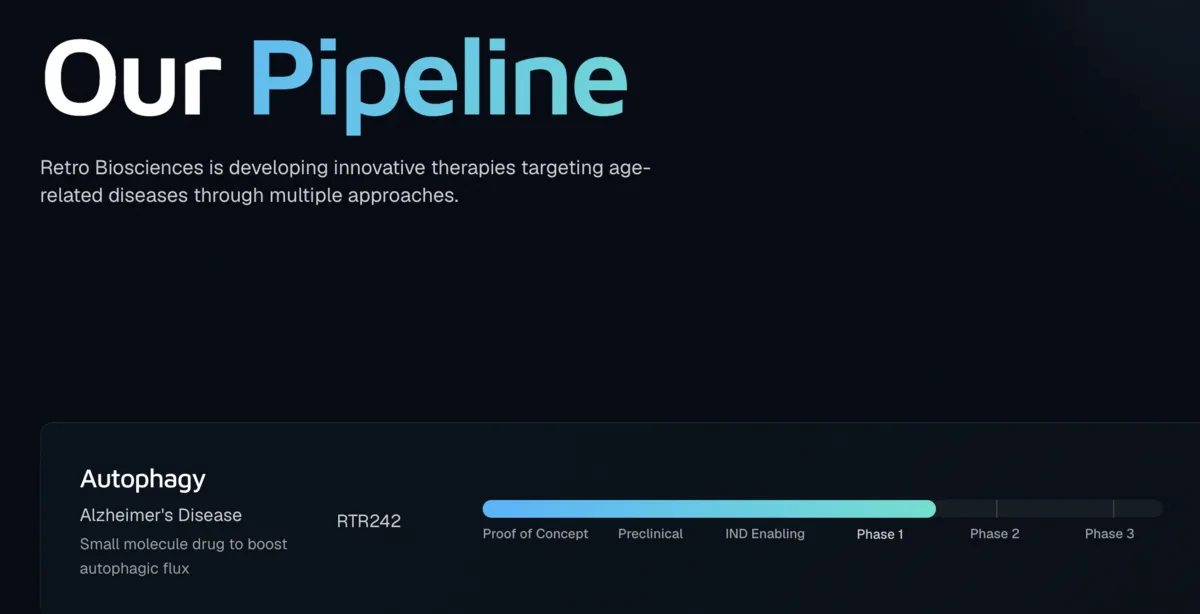
Retro Biosciences (backed by Sam Altman) is targeting a different mechanism: the body’s declining ability to clear out damaged proteins, which accumulate as clumps in Alzheimer’s patients. Its first-in-human trial of a pill to restore that clearance has turned up no side effects serious enough to limit the dose so far. The company raised at a $1.8 billion valuation in May.
Symptoms previously bucketed as “Aging” continue to become specific targetable mechanisms rather than one wholesale inevitable decline.
Pillar 2: Democratized Diagnostics
Biological data collection continues to get more accessible and democratized. Function Health acquired Getlabs in April bringing at-home blood draws then closed a $450 million growth round from General Catalyst in July to keep scaling the data collection and connectors to major chat AI providers while announcing its own Medical Intelligence Lab (Pillar 4).
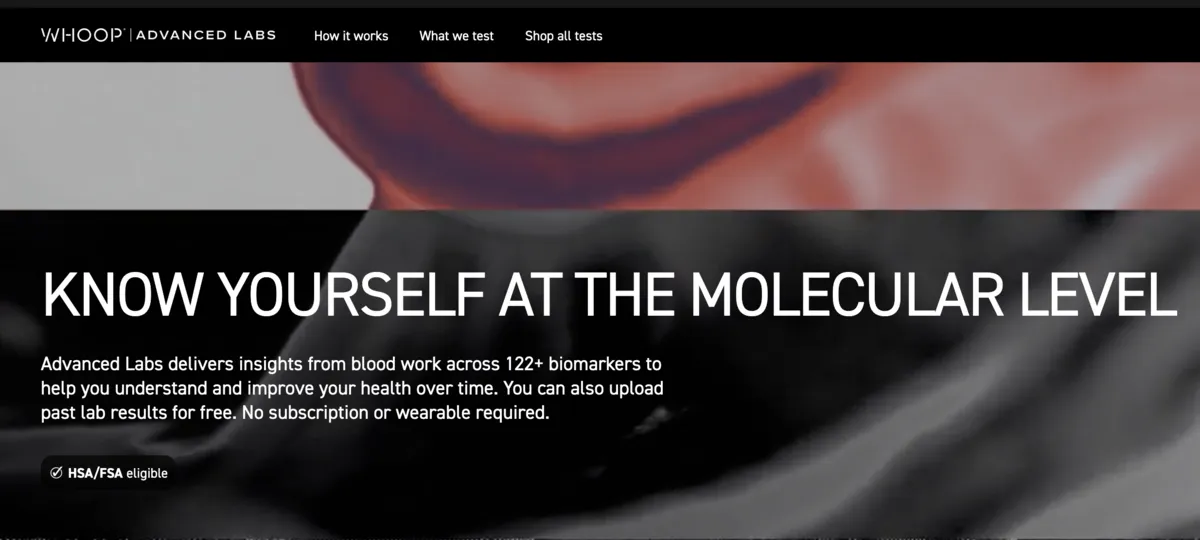
WHOOP made the same bet from the wearable side, opening its Advanced Labs testing, including GRAIL’s Galleri cancer test, to non-members in August, a membership no longer required to buy in. Hims & Hers offered the same test to its customers back in February.
In January, Function also sued a rival, Superpower, over how a biomarker gets counted: Function’s complaint says roughly 55 of Superpower’s advertised “100+ biomarkers” come from direct lab measurements, and the rest are calculated from those results and marketed as if equivalent.
Data Collection and Diagnostics continues to commoditize as many providers race to acquire customers while providing largely the same panel of tests. Meanwhile consumers are scratching their heads trying to figure out which of the two hundred “biomarkers” deserves their scarce attention right now.
Pillar 3: Personalization
OpenAI took ChatGPT Health to a full US rollout in July. Oura acquired Galen AI in April to connect wearable data to records across 800+ health systems. Bevel aggregates wearables and bloodwork into one view. Three different starting points converging on the same prerequisite: assembling a complete context of you.
Good context is a good basis for advice. On the other hand, current Chat Bot products in this space, i.e. a general purpose chat model that is optimized to create “engagement”, are the wrong approach to this whole category.
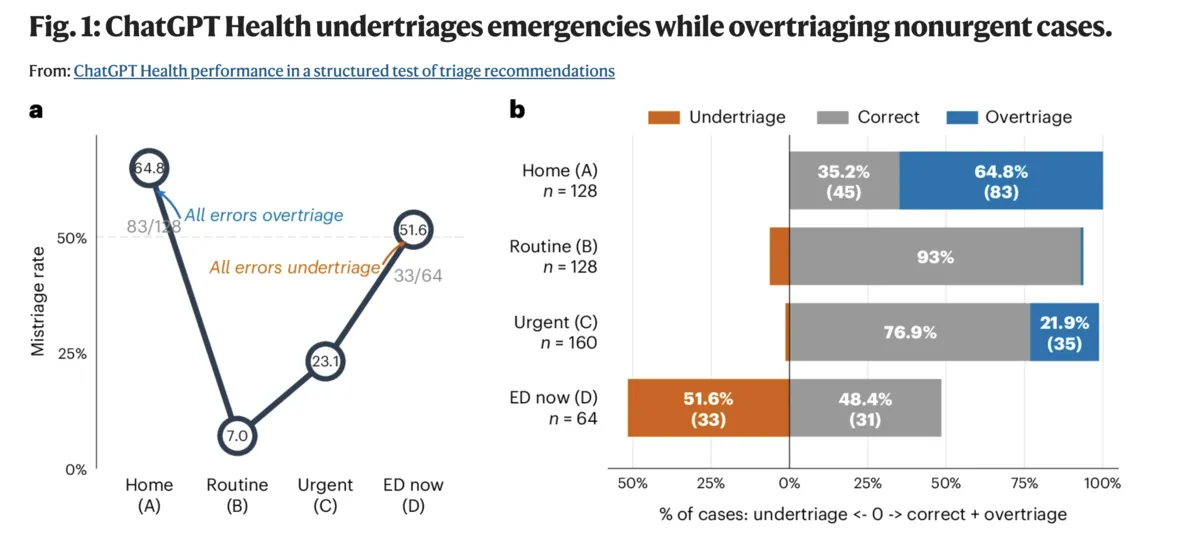
A Mount Sinai team tested ChatGPT Health against physician judgment across 960 responses and found it under-triaged 52% of real emergencies, including cases of diabetic ketoacidosis (which can turn fatal within hours) sent to a 24-hour wait instead of the Emergency Room.
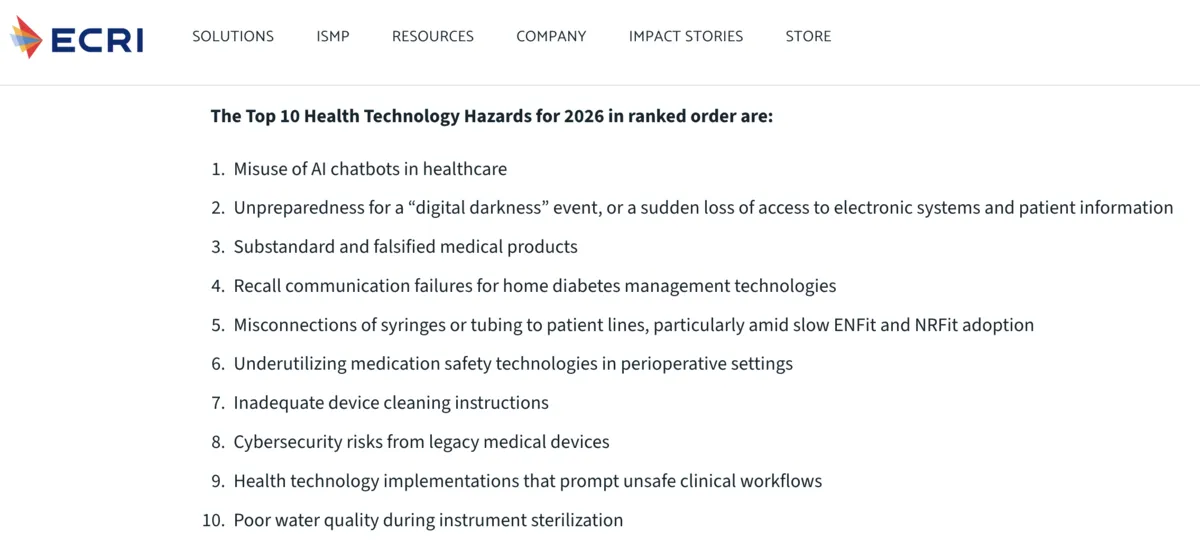
ECRI, a leading independent healthcare research firm, named AI chatbot misuse in healthcare its top hazard for 2026, the first consumer software category to top that list in eighteen years.
While consolidated context is critical and a reactive LLM model is helpful in some cases (I used one to create my own workout plans that could adjust to my weekly needs) the current “health offerings” suffer from the same shortcoming that expects the user to know the right questions to ask.
Pillar 4: Real-Time Adaptation
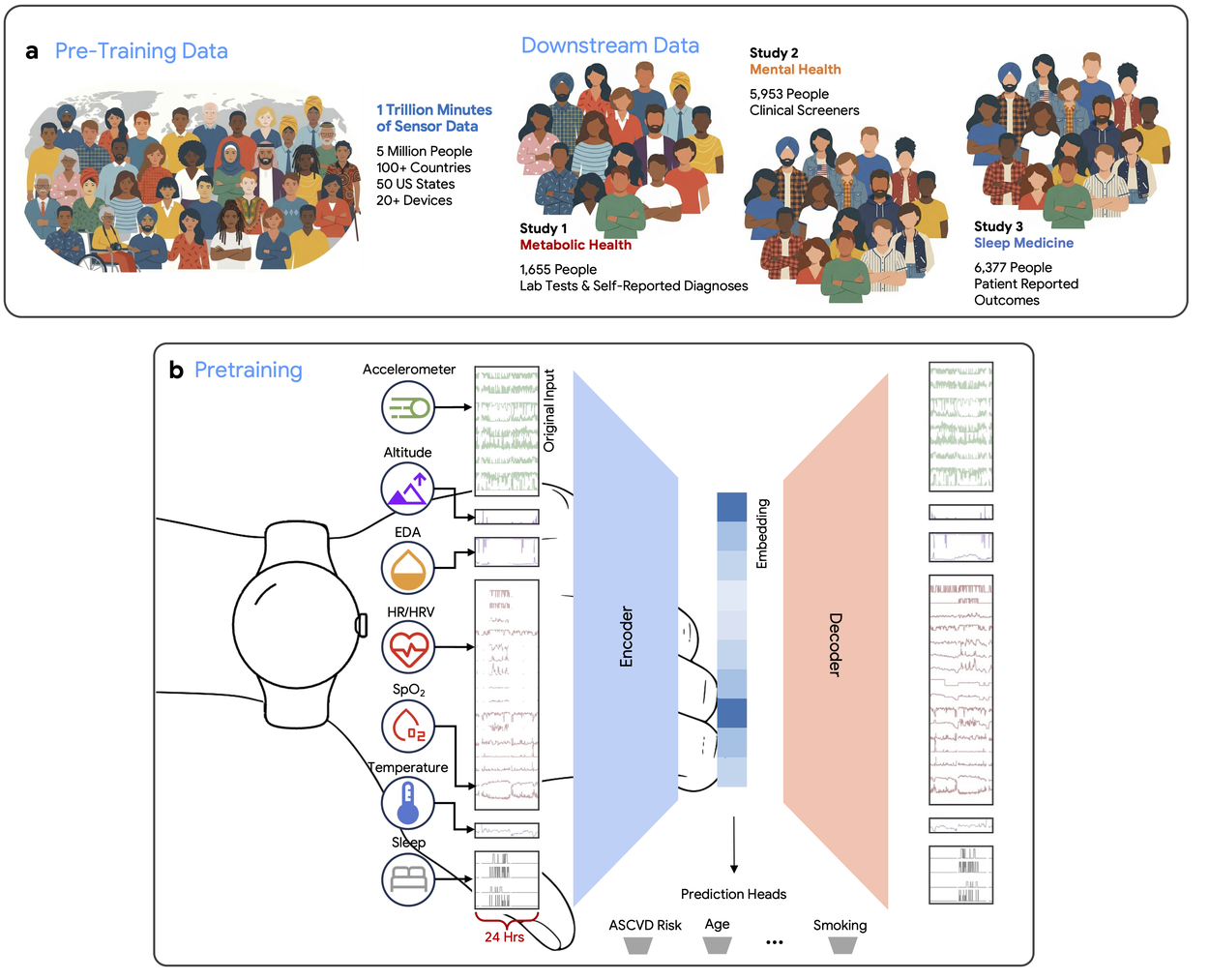
Google published SensorFM foundation model in July, a model trained on a trillion minutes of wearable data from five million people, beating hand-built models on 34 of 35 prediction tasks. Apps like the previously mentioned Bevel and Athlytic already generate live, adaptive plans. Their limit has been how accurately they could predict the body underneath, and that just improved.
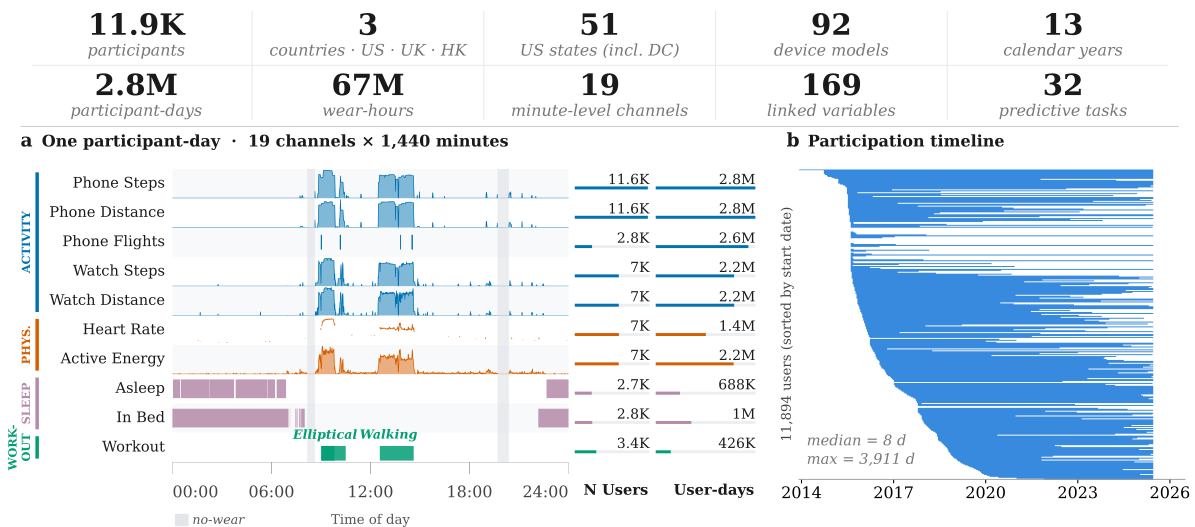
To ensure this progress isn’t locked behind closed doors, OpenMyHeartCounts (OpenMHC) was also released in July. Derived from a decade of the My Heart Counts study, it provides the largest broadly accessible wearable dataset to date—over 60 million hours of data across 19 sensor channels from nearly 12,000 participants. Crucially, it includes open-source foundation model implementations built on Large Sensor Model 2 (LSM-2), the exact architectural framework underlying SensorFM and an implementation of Apple’s WBM.
While this is a great next step, we’re still waiting to see a dynamic health or behavior change coach that decides your next best move towards a stated long-running goal while managing day-to-day fluctuations.
The Bottom Line
So given the progress what’s next? Two predictions for the rest of the year.
First: Expect at least one more foundation model built specifically for physiological data by year-end, trained on a different kind of sensor or a different population potentially as open weight models.
Second: The winner of this next phase won’t have the biggest dataset. It’ll be whoever ships the layer between prediction and action and agrees to be measured on how often it decides correctly, abandoning the vanity metric of how much it knows or how many connectors it has.
I’m currently working with some incredibly smart people exploring these layers with new data imaging modalities, foundation models that predict health and drive behavior change. If you’re working in the same gap, or think I’m wrong about where this goes, get in touch.


